
International School and Conference on Network Science17th-20th February 2026
Keynote speakers & programme at a glance



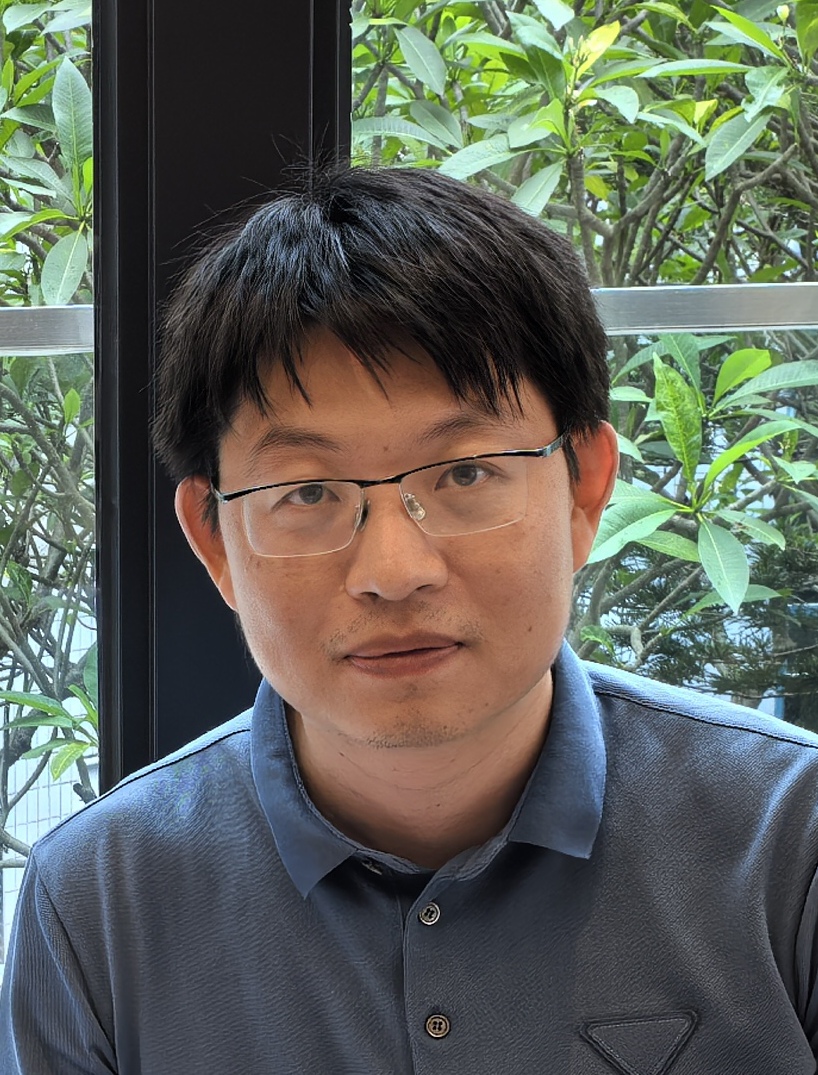
School headline speaker
| Professor Eduardo Altmann (University of Sydney) | ||
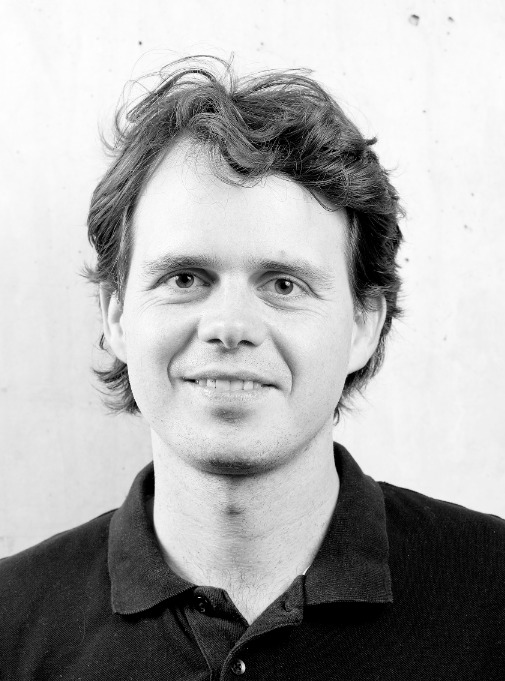 |
Programme at a glance
| Tuesday 17 | Wednesday 18 | Thursday 19 | Friday 20 | ||||
|---|---|---|---|---|---|---|---|
| 08:00:00 | Registration open | Registration open | Registration open | Registration open | |||
| 9:00-10:15 | Meso-scale organization of networks: theory and applications (1/2) – Eduardo Altmann | 9:00-10:00 | Keynote 1: Tina Eliassi-Rad | 9:00-10:00 | Keynote 3: Rio Sun | 9:00-10:00 | Coffee and networking morning |
| 10:15-10:45 | Coffee break | 10:00-10:30 | Coffee break | 10:00-10:30 | Coffee break | 10:00-11:00 | Keynote 5: Clare Postlethwaite |
| 10:45-12:00 | Meso-scale organization of networks: theory and applications (2/2) – Eduardo Altmann | 10:30-12:00 | Presentation Session | 10:30-12:00 | Parallel thematic session | 11:00-12:00 | Presentation Session |
| Discrete network models in biology | |||||||
| Thematic session: Networks in Science of Science | |||||||
| 12:00-1:15 | Lunch | 12:00-1:15 | Lunch | 12:00-1:15 | Lunch | 12:00-1:15 | Lunch |
| 1:15-2:30 | Indigenous Data Sovereignty – Daniel Wilson | 1:15-2:15 | Keynote 2: Lewis Mitchell | 1:15-2:45 | Parallel thematic session | 1:15-2:45 | Presentation Session |
| Algorithmic Fairness in Network Science | |||||||
| The scales of Movement | |||||||
| 2:30-3:45 | Gentle Introduction to Deep Graph Learning for Network Scientists – Ingo Sholtes | 2:15-3:45 | Presentation Session | 2:45-3:45 | Keynote 4: Yukie Sano | ||
| 3:45-4:15 | Coffee break | 3:45-4:15 | Coffee break | 3:45-4:15 | Coffee break | 2:45-3:15 | Coffee break |
| 4:15-5:30 | Ecological Networks: from data reconstruction to dynamical insights – Kate Wootton and Anshuman Swain | 4:15-5:30 | Spotlight Talks | 4:15-5:30 | Lightning Talks | 3:15-3:30 | Closing |
| 5:30-late | Mihi whakatau - official conference welcome for all attendees by mana whenua NetPlace Panel  Welcome reception |
5:30-7:30 | Poster session and reception | 7:00-late | Conference dinner |
School abstracts
Eduardo Altman
Meso‑scale Organization of Networks: Theory and Applications
Complex networks often exhibit rich meso‑scale organization, characterized by groups of nodes that play distinct structural and functional roles. Identifying and interpreting these meso‑scale structures is crucial for understanding the underlying system behaviour and for uncovering the role of different nodes in the network. These two lectures will discuss different approaches for detecting such structures (e.g., community-detection methods) and will critically compare heuristic techniques with principled statistical and inferential frameworks. Foundational concepts — introduced with code examples available at https://github.com/edugalt/netscix26 — will be complemented by recent applications, including the classification of meso‑scale structures and the use of network-based techniques for topic‑modelling text corpora.
Ingo Sholtes
Gentle Introduction to Deep Graph learning for Network Scientists
Graph Neural Networks (GNNs) have recently become a cornerstone for the application of deep learning to data on complex networks. Different from earlier approaches to apply standard machine learning techniques to complex networks, these models use algorithms like neural message passing and neural backpropagation to automatically learn useful vector space representations of graph-structured data, that allow to address node-, edge- and graph-level learning tasks. Starting from the very basics of machine learning, in this lecture I give a gentle introduction to GNNs that specifically targets researchers from network science. Apart from introducing basic architectures like Graph Convolutional Networks (GCN) from a dynamical systems point of view, we will also discuss recent developments like GNNs for Temporal Graphs, and highlight open challenges in deep graph learning that could benefit from network science methods.
Kate Wootton & Anshuman Swain
Ecological Networks; From data reconstruction to dynamical insights
Ecology is the study of the relation of organisms to each other and to their physical surroundings, and networks have been used in ecology since at least the 1800s when the earliest food webs were developed. Here, we will give a broad overview of the range of ecological networks that exist and some of the insights they have given us. A major challenge underlying the development of ecological networks and the insights we gain from them is data collection, so we will discuss some of the wide range of ways that data for ecological networks are collected, their biases and limitations, and what that might mean for the inferences we can (or can’t) draw. We will delve into dynamics in ecological networks, where they’ve been successful, what they’ve taught us, where they’re limited, and some of the current frontiers being addressed. Finally, we will discuss some of the current challenges and frontiers in ecological networks, including data aggregation, spatial and temporal scale, multilayer networks, determining network completeness and inferring missing data, and social-ecological networks.
Hosted by

Our bronze sponsors


Phone charging sponsor

Supporting sponsor

Registration & Location
| Registration Type | Standard |
|---|---|
| Academic full registration | NZ$990 |
| Non-academic full registration | NZ$1,150 |
| Student registration | NZ$600 |
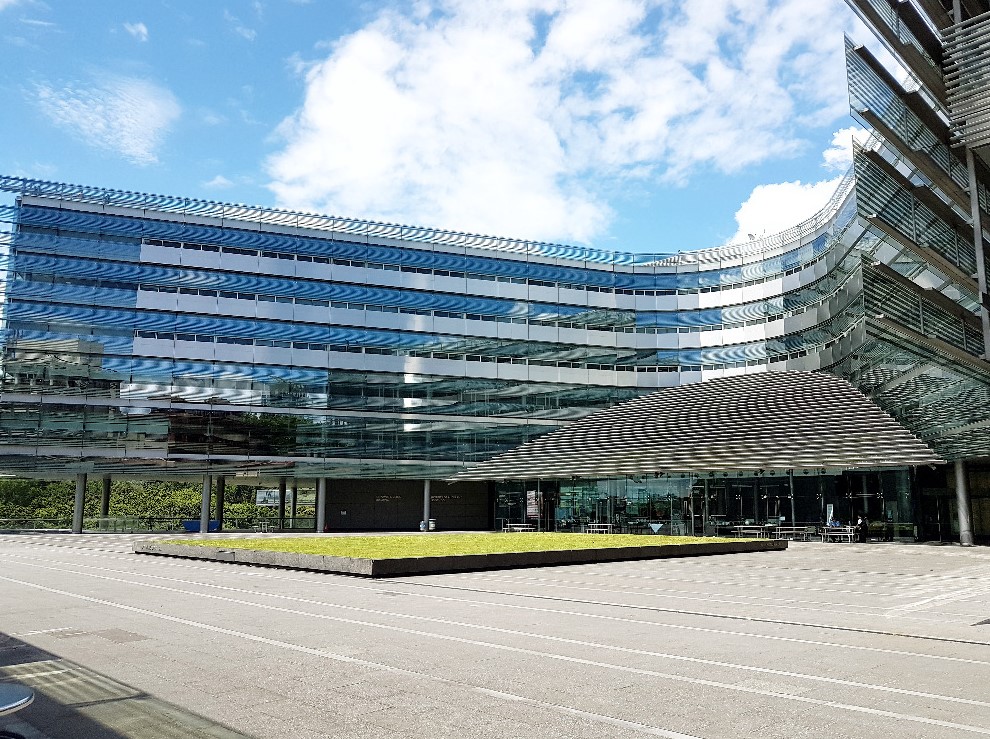
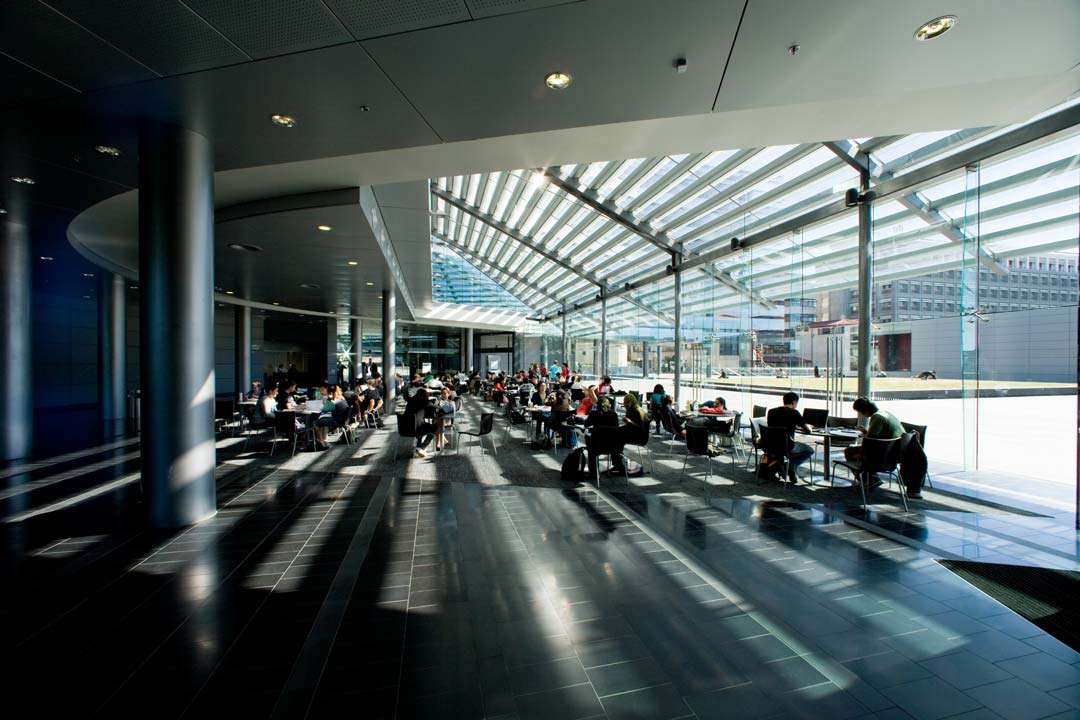
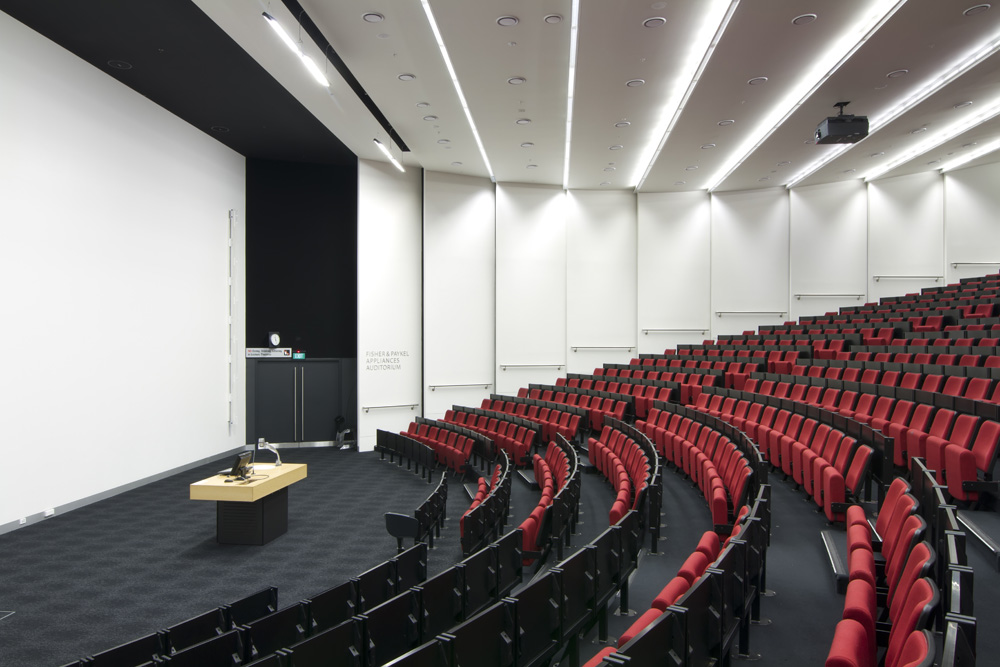
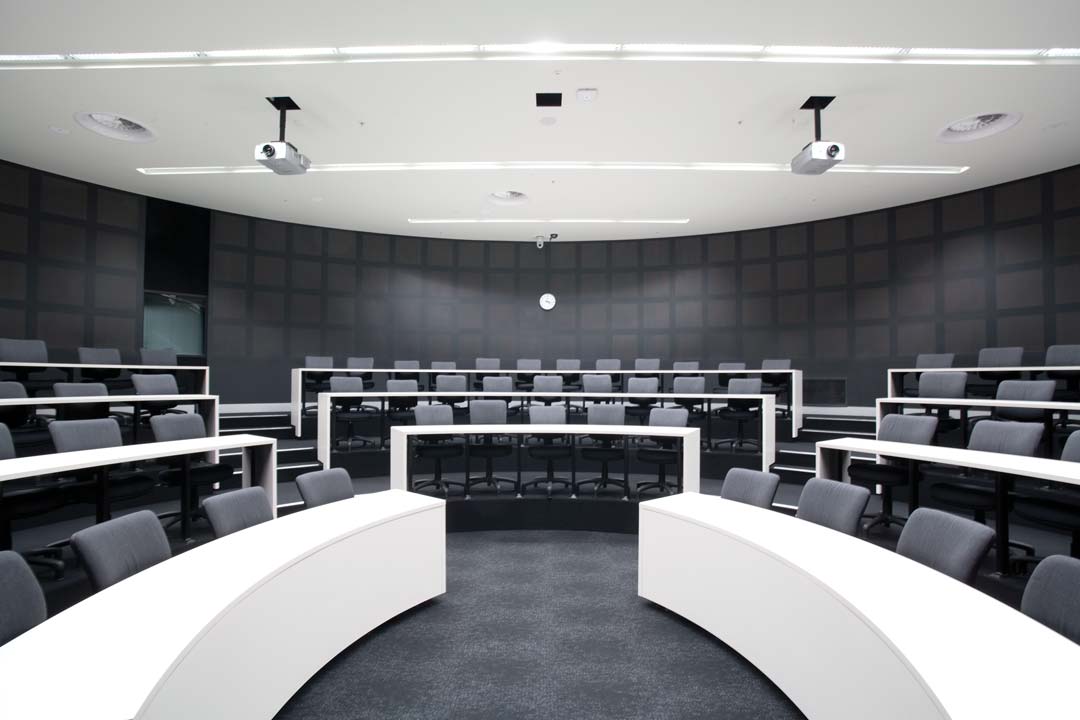
The conference will be held at the Sir Owen G Glenn Building at the University of Auckland (12 Grafton Road, Auckland 1010).
Accommodation
We have secured discounts with a number of accommodation options. Please use the booking code NSX2026 for these.
Accor Meetings & Events - Copthorne Auckland City - Grand Millennium Auckland - M Social Auckland
Organising committee





About Auckland
Auckland, officially known as Tāmaki Makaurau in Māori, is the largest city in New Zealand and serves as a hub of culture, business, and innovation. Situated on the North Island, Auckland is nestled between two harbors, the Waitematā and Manukau, with the Pacific Ocean to the east and the Tasman Sea to the west.
As New Zealand's most populous urban area, Auckland is home to over 1.6 million people, representing a variety of ethnicities and cultures. Auckland's skyline is adorned with a blend of modern skyscrapers and historic buildings, showcasing its rich architectural heritage. The city's vibrant cultural scene is evident in its numerous museums, art galleries, theaters, and music venues, offering a diverse range of experiences.
With its temperate climate, stunning natural landscapes, and abundance of outdoor activities, Auckland is a paradise for nature enthusiasts and adventure seekers. From exploring volcanic cones and lush rainforests to enjoying water sports and sailing in the harbors, there is no shortage of opportunities to connect with the great outdoors in Auckland. For many visitors Auckland is also the starting point for a once-in-a-lifetime trip that takes them from the top of Aotearoa New Zealand’s North Island through to the bottom of the South Island.